
WORLD BUILDING · storyboard · script · images

Stop rendering prompts.
Start building worlds.

Creator World Factory turns a premise — or a real creator — into a coherent cinematic world: characters with locked identity, a world bible, a 150-technique film-grammar library, and a story engine that ships a storyboard, a script, and generated images from one sentence.

16method phases
150film techniques
61reference worlds
3doors: app · MCP · CLI

One pipeline, three doors

Web app, MCP server (Claude · ChatGPT · Codex · Cursor), and CLI — all into the same core. The method is the moat: the world is the center, and every prompt carries a piece of it.

01

Intake

Connect accounts, drop media. Auto-sorted into slots; real photos become identity anchors.

02

World bible

Thesis, logic + exclusions, 7 archetypes, visual language block, tone & atmosphere.

03

Characters

Angle sheets, soul-locked identity, one-command counterparts with the same brand voice.

04

Recipes

Technique × character × style → generation-ready prompts per tool dialect.

05

Images

Make it renders; grid test + 4-axis rejection matrix decide what ships.

Sixty-one worlds, one grammar each

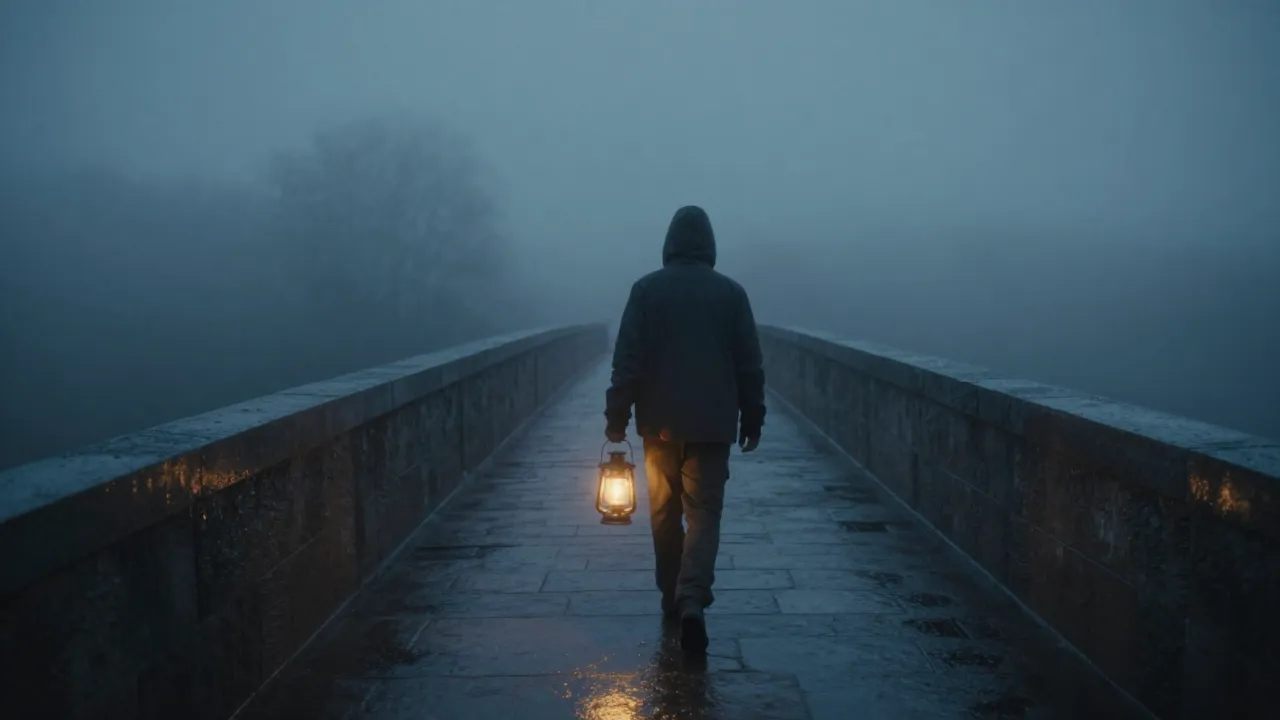
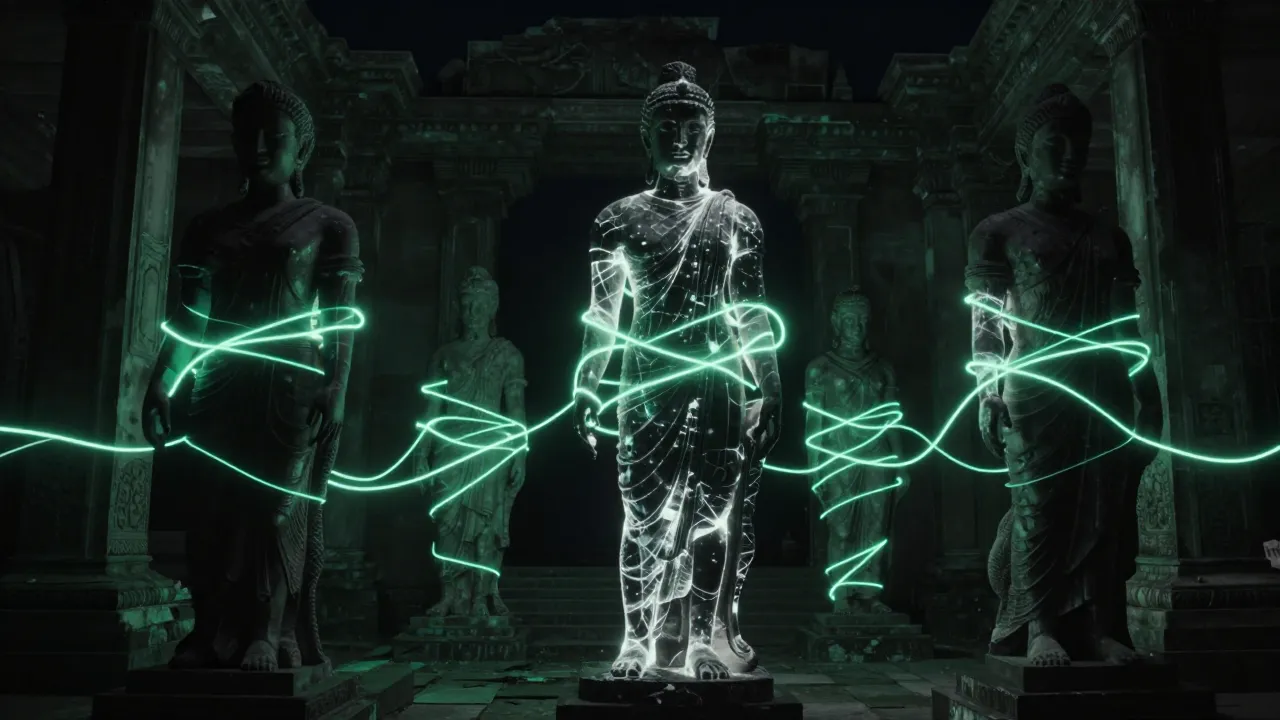
Every reference world is distilled into a measured grammar — palette, light, medium, mood, and the one tell that makes it recognizable at thumbnail size. These frames were generated from three of those grammars as a proof of the engine:

Fog world: courier with lantern on a misty bridge
The Fog Worldindigo · amber · persistent mist that softens every edge
Neon ruins: statues wrapped in green light trails
Neon Ruinsobsidian · glowing light trails wrapping ancient forms
Fuzzy fabric dog in pastel color-blocked room
Soft Fabric Worldcobalt · lemon · pastel — everything fuzzy, nothing sharp

Reference-world images stay private (mirrored with permission, never redistributed). The frames above are ours — generated from our own grammar blocks.

The method, in four moves

Output is abundant; coherence is scarce. The 16-phase method converts cheap generation into scarce coherence — full doctrine in the repo's system prompt.

PHASE 1–2

Thesis + logic

One sentence that disqualifies a beautiful image. Then the negative half: what the world refuses to show.

PHASE 3–5

Language

3 colors at 60/30/10, 4 material slots, one light rule, tone coordinates, a five-layer atmosphere block.

PHASE 6–9

Reject by design

Rejection criteria written before the first frame. Grid test at thumbnail size; only 4/4 axes ships.

PHASE 10–16

Compound

Characters as anchors, story as environmental evidence, motion only when it reveals. Signature is discovered, not designed.

Say: “make me a story”

One sentence in — a full story package out: storyboard with per-shot techniques, script beats, and ready-to-paste image prompts for any model.

# list the 61 reference worlds
$ python3 scripts/make_story.py --list-worlds

# story in, package out
$ python3 scripts/make_story.py --premise "A courier who delivers memories
    in a city that forgets every night" --shots 6

story package: out/story/story-package.json
              out/story/story-package.md
world=31-worlds-style-013 shots=6

# → storyboard (6 shots · hook → turn → withhold)
# → script beats  ·  → image prompts per shot
# → generate · grid test · rejection matrix · ship
V V S V S™

Standing on Ivan Flugelman's shoulders

The world-building method and film-grammar taxonomy here are inspired by Cinematique and the World Building Codex by VVSVS (Ivan Flugelman) — studied from his public corpus and rewritten in our own words, with full credit wherever the taxonomy is visibly reused. His reference imagery is kept as private study only. His paid work — the Academy, the Cinematique ebook, the sref packs — is his, and worth buying: vvsvs.pro ↗